Flex Rigid PCBs Affect Assembly Time
Rigid flex circuit boards are essential in a wide range of applications. They can be used for anything from consumer electronics and wearable devices to medical imaging equipment, military missile guidance systems, and more. The unique construction of a rigid-flex PCB allows it to provide the reliability and durability required in a wide variety of applications, even those that experience vibration. However, achieving the best results in this environment requires careful consideration during design and assembly.
The first step in designing a flex rigid pcb is to understand the different materials and processes that are used to make them. The rigid-flex PCB manufacturing process can be complex and it is important to work closely with your fabrication partner to ensure that your design meets all of the requirements. This will allow you to minimize cost and maximize performance.
One of the most important things to consider is the material layup. The type of adhesive and thickness selected will have a significant impact on both cost and performance. For example, polyimide adhesives are preferred for flex-rigid boards because they offer exceptional temperature resistance, which can help the board survive harsh environments. The thickness of the adhesive should also be carefully considered, as it can affect the mechanical stress placed on the traces during operation.
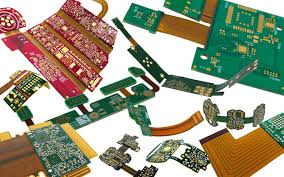
How Do Flex Rigid PCBs Affect Assembly Time?
It is also important to take into account the amount of heat that will be dissipated during operation. This is especially true for a flex-rigid PCB that will be subjected to high levels of vibration. This is because vibration can cause the traces to become fatigued, which can lead to failure. To reduce this risk, it is a good idea to route the traces away from the bend area and use hatched-polygon ground planes in the flex areas instead of solid copper. This will allow the traces to remain stable when the board is bent.
Another factor that can have a major impact on cost is the choice of solder mask and paste. The solder mask and solder paste protect the surface of the copper from oxidation during the soldering process and connect it to the pads on the components. This is important for advanced rigid-flex PCBs, which are often exposed to intense vibration and flexing.
In addition, it is important to consider the electrical performance of a flex-rigid PCB. It is a good idea to test the circuit board at different temperatures and load conditions, as this will give you an accurate picture of how the circuit will perform in real-life applications. This will help you avoid unforeseen issues during assembly and deployment.
A final aspect of a flex-rigid pcb that can affect cost is the inclusion of stiffeners. Stiffeners are rigid materials (usually FR4) added to selected parts of the flex PCB to increase the strength and rigidity of the board. They can be used to add support for edge connectors, mounting holes, or shielding against electromagnetic interference. The type of stiffener that is chosen can have a large impact on cost, as it will require more steps to manufacture compared with a standard rigid PCB.