flex PCB manufacturers manage supply chain risks
Using rigid flex circuits in their products, manufacturers can reduce their product size and weight while also improving reliability. This is done by eliminating the traditional wire harnesses and ribbon connectors and replacing them with more durable rigid flex circuitry. These circuits are available in single-sided, double-sided, and multi-layered boards. They have varying copper layer thicknesses depending on the number of layers and whether they are single- or multi-sided.
Single-sided and double-sided flex pcb manufacturer have a conductive core of either FR4 or Rogers 4003 material, with one or more insulating PI (polyimide) layers. The insulating PI layers can have Microvias or laser-drilled holes, which are then plated with copper to make them conductive. The copper on each conductive layer is then etched to create the desired circuit design. Rigid flex PCBs can also have an added solder mask layer on top of the insulating ones, which is similar to the solder mask layer in regular PCBs.
The insulating PI layer is also used to protect the PCB from environmental effects and to keep the copper traces from shorting out during the manufacturing process. This layer is called the coverlay, and it’s important to the mechanical strength of the flex PCB. Coverlays are typically made of glass epoxy, but they can be made from other materials as well.
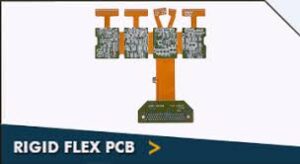
How do flex PCB manufacturers manage supply chain risks?
Rigid flex PCBs are a complex and delicate technology. During assembly, they can be damaged by mishandling or unintentional force. These issues can cause problems with connectivity and performance, and may lead to expensive repair bills. Therefore, it’s important for flex PCB manufacturers to ensure that their production processes are robust and reliable to avoid these issues. There are several steps that they can take to minimize these risks and ensure quality control.
One key step is diversifying supplier sources for each component. By avoiding dependency on any single supplier, manufacturers can minimize the impact of supply chain disruptions. They can also try to find suppliers that are closer to their manufacturing centers to reduce cycle times and shipping costs. They can also build inventory buffers to be prepared for sudden shortages of a critical material.
Another way to reduce risk is to have a supplier test each flex PCB before shipping it out. This helps ensure that the board meets the manufacturer’s specifications, and it also eliminates any hidden defects that could affect performance. The test is performed by a third-party organization that specializes in PCB testing.
Flex PCB manufacturers can also make their flex PCBs more resilient to stress by adding a metal shield on selected areas. This can be useful for protecting the PCB from electromagnetic interference and other potential damage during transportation and assembly.
Flex recently launched an automated analytics solution, IT-Right, that provides insights into part-level supply chain risk at an early life cycle phase. This can help manufacturers identify and implement mitigation solutions, such as changing out a high-risk part for a lower-risk alternative, even before the project has entered engineering. This is a great way to avoid supply chain risks in the future and improve product quality and profitability.