common quality control measures in PCB fabrication and assembly
Quality control is a critical aspect of PCB fabrication and assembly, as it ensures that the final product meets the required specifications and performs reliably in its intended application. A range of quality control measures are implemented throughout the PCB manufacturing process to detect and correct potential issues early, minimizing defects and ensuring high standards. These measures are essential for producing functional, durable, and cost-effective PCBs that meet industry standards.
One of the most common quality control measures in PCB fabrication and assembly is visual inspection. This process involves carefully examining the PCB at various stages of production to identify any visible defects such as misalignment, scratches, or incorrect component placement. During fabrication, visual inspections are conducted after the solder mask application, copper etching, and drilling to ensure that all traces and vias are correctly formed. In the assembly phase, visual inspections are performed to check that all components are correctly placed and soldered, ensuring proper alignment and preventing issues like solder bridges or missing components.
Automated Optical Inspection (AOI) is another widely used quality control measure. AOI systems use high-resolution cameras to inspect PCBs for defects such as open circuits, short circuits, incorrect component placement, and poor solder joints. The system compares the actual PCB against a set of predefined design specifications to identify discrepancies, which are then flagged for review. AOI is highly effective at detecting small defects that might be missed during manual inspections, and it can be performed at multiple points throughout the pcb fabrication and assembly process. This automated process increases throughput while maintaining a high level of accuracy, reducing human error.
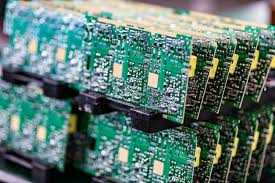
What are common quality control measures in PCB fabrication and assembly?
In addition to visual inspections and AOI, Electrical Testing is a key quality control measure. During the fabrication stage, a common method used is the In-Circuit Test (ICT), which checks for faults in the electrical pathways of the PCB, including shorts, opens, and component failures. This test involves placing the PCB on a test fixture that connects to the circuit points, allowing the system to measure the electrical characteristics of each trace and component. Another type of electrical test is the Flying Probe Test, which uses movable probes to test individual points on the PCB for continuity and electrical integrity. These tests are crucial in verifying that the PCB will function correctly before being sent for assembly.
X-ray inspection is often used for more advanced or complex PCBs, particularly those with hidden components such as ball grid array (BGA) packages. Since these components are soldered beneath the surface of the PCB, they cannot be visually inspected. X-ray inspection provides a non-destructive way to examine the internal solder joints and ensure they are correctly formed, which is essential for ensuring the reliability of the assembled PCB. This method helps identify potential defects like voids, cold solder joints, or misalignments that could affect the performance of the PCB.
Another important quality control measure in PCB fabrication and assembly is the use of environmental testing, which assesses the PCB’s ability to perform under different conditions. These tests may include thermal cycling, humidity testing, and vibration testing. Thermal cycling simulates temperature fluctuations that the PCB may experience during operation, while humidity testing ensures that the PCB can withstand exposure to moisture without suffering from corrosion or electrical degradation. Vibration testing simulates the mechanical stresses that the PCB might encounter in real-world applications, such as in automotive or aerospace environments.
In conclusion, ensuring high-quality standards in PCB fabrication and assembly requires a combination of visual inspections, automated optical inspections, electrical testing, and advanced techniques like X-ray inspection and environmental testing. Each of these measures plays a vital role in detecting defects early, ensuring the functionality and reliability of the final PCB. By implementing these common quality control measures, manufacturers can produce PCBs that meet rigorous industry standards and are suitable for use in a wide range of electronic devices and systems.