Lifespan of Rigid Flex Circuit Boards
Rigid-flex circuit boards are commonly seen in a number of industries and applications where space efficiency, flexibility, and reliability are essential. They’re often used in aerospace and defense applications, medical equipment like implants and diagnostic devices, automotive electronics and even technological consumer products like wearables. Rigid-flex PCBs are also ideal for use in environments where they may need to withstand significant amounts of heat, shock, and vibration.
Unlike standard rigid boards, which require the use of connectors to interface with other components on the board and consume precious real estate within the final device, rigid-flex circuit boards are able to reduce this requirement by connecting points directly using solder joints. This significantly reduces overall product weight, saving space, and lowering the potential for safety risks.
The lifespan of rigid flex circuit boards is comparable to that of standard rigid boards, and will depend on the amount of wear and tear they experience during production and in use. However, as they are newer technologies, the cost of rigid flex PCBs is generally higher than that of traditional rigid boards. This is due to their comparably more complex construction and higher-priced raw materials used in the fabrication process. As such, rigid flex circuit boards are more often seen in high-volume production runs than in low-volume applications, where their increased cost may be prohibitive to project budgets and timelines.
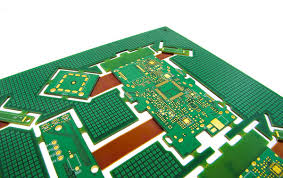
The Lifespan of Rigid Flex Circuit Boards
Although cheap rigid-flex PCBs are available, these will likely be produced at lower standards with less-precise manufacturing and a much shorter lifespan than their high-quality counterparts. Cheaper alternatives are more likely to be produced with halogen-free copper and have lower thermal, electrical, mechanical, and flexibility properties. This can lead to thermal, electrical performance, and flexibility problems over time, significantly reducing the lifespan of the circuitry and product.
The longevity of rigid flex circuit boards is dependent on how well the circuitry is designed and the quality of the raw materials used in its manufacture. As with all circuitry, it’s important to ensure that the design and assembly is completed with utmost care. This will minimize any issues that may arise during production, such as shorts or overheating. It’s also critical that the traces and soldering connections are properly positioned so that they won’t be subject to excessive stress, which can damage or shorten the lifespan of the circuitry.
When designing a rigid-flex PCB, it’s critical to pay close attention to the bend radius and how traces are routed around the curves of the circuit board. In order to make sure that the circuit board can withstand harsh environments and other challenges, the design should be made with the following key elements:
The best way to avoid any potential pitfalls is to work with experienced engineers or PCB manufacturing designers. They’ll be able to provide expert guidance on the optimal rigid-flex PCB design and materials for your specific application. Working with a trusted PCB supplier will ensure that your product is designed to last.