special assembly techniques for printed circuit board manufacturerss
Printed circuit board (PCB) assembly is a critical step in the manufacturing process, where electronic components are mounted onto the PCB to create functional electronic devices. While the basic principles of PCB assembly remain consistent across different applications, there are indeed special assembly techniques that manufacturers employ to meet specific requirements, improve efficiency, and enhance reliability.
One such technique is surface-mount technology (SMT), which has become the standard method for mounting components onto printed circuit board manufacturers in modern electronics manufacturing. SMT offers several advantages over traditional through-hole assembly, including higher component density, reduced size and weight, and improved electrical performance. Specialized SMT assembly equipment, such as pick-and-place machines and reflow ovens, enable manufacturers to automate the assembly process and achieve high levels of precision and repeatability.
Another special assembly technique is ball grid array (BGA) soldering, which is commonly used for mounting integrated circuits (ICs) with densely packed pins onto PCBs. BGAs feature an array of solder balls on the underside of the component, which are reflowed to form connections with corresponding pads on the PCB. BGA assembly requires specialized equipment and techniques to ensure proper alignment, soldering, and inspection, as well as thermal management to prevent solder joint failures due to thermal cycling.
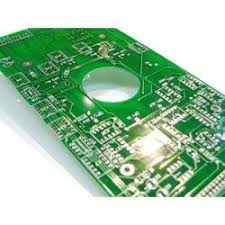
Are there any special assembly techniques for printed circuit board manufacturerss?
In addition to SMT and BGA assembly, there are specialized techniques for assembling flexible and rigid-flex PCBs, which require careful handling and processing to avoid damage to the flexible substrate and components. Flexible PCB assembly often involves using adhesive bonding or soldering techniques specifically designed for flexible materials, as well as precision alignment and folding to ensure proper fit and functionality in the final product.
Moreover, there are special assembly techniques for PCBs used in harsh environments or high-reliability applications, such as conformal coating and potting. Conformal coating involves applying a thin protective layer of material, such as epoxy or silicone, over the PCB to seal it from moisture, dust, and other contaminants. Potting, on the other hand, involves encapsulating the entire PCB or specific components in a protective resin or compound to provide additional mechanical strength and environmental protection.
Furthermore, advanced assembly techniques such as package-on-package (PoP) assembly and 3D printing are gaining traction in certain industries and applications. PoP assembly allows multiple ICs to be stacked vertically on top of each other, increasing component density and functionality in space-constrained designs. 3D printing, meanwhile, offers the potential for rapid prototyping and customized enclosures or fixtures for PCB assembly and testing.
Lastly, there are special assembly techniques for PCBs used in specialized applications such as aerospace, automotive, and medical devices, where stringent performance and reliability requirements must be met. These techniques may include hermetic sealing, underfilling, wire bonding, and ultrasonic welding, among others, to ensure the integrity and longevity of the assembled PCBs in demanding operating conditions.
In conclusion, while the basic principles of PCB assembly remain consistent, there are indeed special techniques and considerations that manufacturers employ to meet specific requirements and challenges. Whether it’s SMT, BGA soldering, flexible PCB assembly, or specialized techniques for harsh environments or high-reliability applications, manufacturers must leverage the right tools, equipment, and expertise to achieve optimal results. By staying abreast of the latest advancements in assembly techniques and technologies, manufacturers can continue to push the boundaries of innovation and deliver high-quality PCBs that meet the evolving needs of the electronics industry.