Flexible Printed Circuit Manufacturers
Compared to traditional printed circuit boards, flexible PCBs offer more flexibility and space for components. As such, they are ideal for a wide variety of electronic devices. However, they can also be more costly than standard PCBs. There are a number of factors that can influence the cost of flexible printed circuit manufacturers, including the complexity of the design and materials used. It is important to understand these factors when budgeting for a project.
One of the most important cost drivers for flexible printed circuit manufacturers is the number of layers. The more layers a circuit board has, the more expensive it will be. This is due to the fact that each layer requires lamination and additional processing steps. As a result, double-sided circuits will typically be priced 1.5-2X more than an equivalently sized single-layer circuit.
In addition to layer count, the overall size of a flex circuit can impact price. Larger flex circuits will require larger raw materials and panel utilization, which increases fabrication and assembly costs. In addition, specialized manufacturing processes such as laser drilling can increase the cost of a flex circuit.
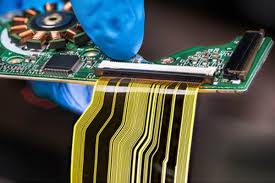
Cost Factors for Flexible Printed Circuit Manufacturers
A specialized flex circuit may require a more durable material than standard PCBs. This can be an investment, but it may pay off in reduced failure rates and a longer lifespan. As a result, it is important to balance the needs of a specific application with the cost of the circuit.
The thickness of a flex circuit can also impact cost. Thicker copper traces increase manufacturing cost, while thinner traces are more affordable. Additionally, flex circuits with high conductivity need thicker copper than thin traces.
Adding features such as microvias, blind vias, and high density interconnects (HDI) can increase the price of a flex circuit significantly. However, these features can greatly improve the performance of a device and increase reliability.
Surface finish and tolerances can also affect the cost of a flex circuit. A standard surface finish like ENIG is low cost, while high-reliability flex circuits often require premium materials such as fluoropolymer films. As a result, it is important for designers to consider the value of these features versus their cost.
Finally, a flex circuit’s final packaging can significantly affect its cost. Plastic encapsulation and silicone potting can add significant cost to a project, but they can also protect the circuit from environmental damage and improve longevity. It is important to find a flex circuit manufacturer that offers these options, and to weigh the benefits against the cost.
By carefully considering these factors, it is possible to design a high-quality flex circuit that meets the specifications of your device while staying within your budget. In addition, by working with a reputable flex circuit manufacturer, you can ensure that the project will be produced efficiently and effectively. This will help to reduce your total cost of ownership.