
Roofing Waterproof Tape Work
Waterproofing tapes are effective building materials that protect against leaks and increase the structural integrity of buildings. They are applied as a waterproof coating to prevent water from entering buildings through walls, windows, doors, and nail holes. This is essential because when these areas are not water-resistant, the walls, floors, and ceilings will eventually crack and deteriorate.
These roofing waterproof tape products are easy to apply and can be used in place of caulking, sealants, mastics, or coatings. They are also cost-effective, and their ease of use helps to eliminate errors or mistakes that can occur when applying liquid-applied products. However, the simplicity of using these tapes doesn’t insulate them from failures that can be caused by poor installation practices. These failures include delamination, blistering, peeling, and vapor penetration.
In addition to preventing water leaks, roof waterproofing tape also offers insulation and protection from sunlight. In fact, most of these tapes are formulated with a high-quality adhesive that can endure cold weather temperatures and UV exposure. They can also adhere to a variety of surfaces including aluminum, copper, and vinyl.
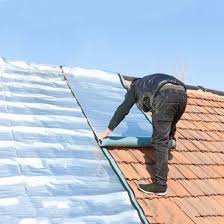
How Does Roofing Waterproof Tape Work?
Roofing waterproof tape is very easy to use and is available in a wide variety of sizes to meet various needs. The most important factor to consider when selecting a waterproofing tape is its adhesive strength. You should choose one that can withstand the climate conditions in the area where it will be installed. If your tape is intended for outdoor use, it is important to ensure that it has a high level of UV resistance and is able to withstand low temperatures.
The best waterproofing tapes are formulated with advanced technologies that ensure a strong adhesion to surfaces. They also have a flexible structure that can be used on curved surfaces. These features make these tapes a good choice for many applications, such as sealing moving joints and pipe transitions or repairing cracks in pools. You can even use them to create a seal around drains on the roof.
Before installing a roofing waterproof tape, the surface must be clean and dry. Any dirt, dust, or debris should be removed, and the area should be free of oil and grease. It is a good idea to use rollers and moderate pressure to help achieve maximum contact and improve bond strengths. In addition, you should use a silicone roof primer to help promote the longevity of the tape.
If you’re not sure which roofing waterproof tape is right for your project, consult Baumerk’s waterproofing chemicals technical team. The team will help you determine the criteria that are most important to you such as cold weather performance, high UV protection, or excellent adhesion. They will then recommend the most suitable product for your specific application. Once you’ve found the perfect waterproofing tape, you can feel confident that your project will be a success. With the proper care and maintenance, your waterproofing system will last for years to come.