supply chain affect PCB manufacturing
The supply chain is a critical aspect of PCB (Printed Circuit Board) manufacturing, influencing every stage of production, from sourcing raw materials to delivering the final product. A well-structured and efficient supply chain can lead to reduced costs, improved quality, and faster time-to-market, while a disrupted or poorly managed supply chain can result in delays, increased expenses, and compromised product quality. Understanding how the supply chain affects PCB manufacturing is essential for companies aiming to optimize their operations and enhance overall performance.
At the core of PCB manufacturing is the procurement of materials, which typically includes substrates, copper, solder masks, and other essential components. The supply chain plays a significant role in determining the availability and cost of these materials. Global fluctuations in demand, geopolitical tensions, and natural disasters can disrupt the supply of key components, leading to material shortages and increased prices. For instance, the COVID-19 pandemic highlighted vulnerabilities in the global supply chain, causing delays in the delivery of raw materials and components necessary for PCB production. Such disruptions can significantly impact production schedules, leading to missed deadlines and lost revenue.
Moreover, the quality of materials sourced through the supply chain directly affects the quality of the finished PCBs. If manufacturers are forced to procure materials from unreliable suppliers due to shortages, they may end up with subpar components that compromise the integrity of the PCB. Poor-quality materials can lead to higher rates of failure in the final product, resulting in costly recalls and damage to the brand’s reputation. Thus, maintaining strong relationships with reliable suppliers is crucial for ensuring consistent quality in pcb manufacturing.
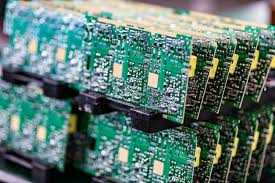
How does the supply chain affect PCB manufacturing?
Another critical aspect of the supply chain in PCB manufacturing is logistics and transportation. The efficiency of transporting materials from suppliers to manufacturers can significantly influence production timelines. Delays in shipping can halt the manufacturing process, causing cascading effects that disrupt the entire production schedule. Conversely, efficient logistics can enable manufacturers to streamline operations, reducing lead times and ensuring that products reach customers promptly. Companies that invest in robust logistics strategies, including local sourcing and just-in-time (JIT) inventory systems, can mitigate delays and improve overall operational efficiency.
Collaboration and communication within the supply chain are also vital for successful PCB manufacturing. Effective communication between suppliers, manufacturers, and customers helps to ensure that everyone is aligned on expectations, timelines, and quality standards. When issues arise, such as material shortages or quality concerns, open lines of communication facilitate quick resolution and minimize disruptions. Companies that foster strong relationships with their supply chain partners are better equipped to adapt to changes and maintain consistent production levels.
Additionally, technological advancements are transforming supply chain management in the PCB manufacturing industry. The adoption of digital tools, such as enterprise resource planning (ERP) systems and supply chain management software, enables manufacturers to track inventory levels, forecast demand, and streamline procurement processes. These technologies provide valuable insights into the supply chain, allowing companies to make data-driven decisions that enhance efficiency and reduce costs. Automation and robotics also play a role in improving manufacturing processes, helping to minimize human error and increase production speed.
Finally, the supply chain’s impact on PCB manufacturing extends to sustainability and environmental considerations. As consumers and regulatory bodies increasingly prioritize eco-friendly practices, manufacturers must consider the environmental impact of their supply chains. Sourcing materials from sustainable suppliers and optimizing logistics to reduce carbon emissions are critical steps in building a responsible supply chain. By embracing sustainability, manufacturers can not only comply with regulations but also enhance their brand image and appeal to environmentally conscious consumers.
In conclusion, the supply chain profoundly affects PCB manufacturing through material procurement, logistics, communication, technological integration, and sustainability. A well-managed supply chain can lead to increased efficiency, reduced costs, and improved product quality, while disruptions can have significant negative consequences. As the industry continues to evolve, manufacturers must prioritize supply chain management to remain competitive and meet the demands of an increasingly complex market.