Role of Flexible PCB Manufacturing
The Internet of Things (IoT) is revolutionizing the way we live, work, and play. From enabling smart home devices to industrial automation, PCBs are at the heart of these technological advancements. To meet the demands of the IoT, PCB manufacturing must be adapted. Fortunately, flexible and rigid-flex circuits are well-suited to this new environment. In this article, we will explore the role that these technologies play in IoT devices.
IoT Devices Demand Small Form Factors The emergence of IoT has driven a shift toward smaller devices. This has led to a need for innovative electronics that can fit these tight spaces while maintaining high performance. The use of flex and rigid-flex circuits has allowed engineers to meet these challenges, with applications that range from wearable technology like fitness trackers to augmented reality head-up displays. In addition, these circuits can also be used in medical implants and hearing aids. The benefits of incorporating these technologies into IoT designs are numerous.
In addition to their size, IoT devices must be durable enough to withstand the demands of daily use. This includes being able to resist moisture, body heat, and regular movements. This is one of the reasons why flexible pcb manufacturing have been adopted by wearables. These boards can withstand the repeated bending and twisting that is often seen in these products. In addition, they can withstand a wide temperature range, which is critical for wearable devices that are often exposed to harsh environments.
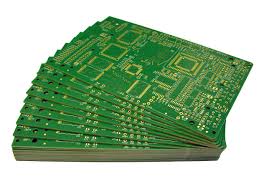
The Role of Flexible PCB Manufacturing in IoT Devices
The use of flex and rigid-flex PCBs in IoT devices can help designers reduce the number of wiring connectors, minimize space requirements, and improve reliability through reduced thermal stress. These circuits can also be made more durable through the use of special coatings and encapsulation materials. In addition, these PCBs can be designed with features that make them better suited to harsh environments, such as high-temperature soldering and the use of conformal coatings that can protect them from corrosion and dust.
Rigid-flex and flex PCBs can also be built using advanced interconnection techniques, which allow them to hold more components in a smaller footprint. This includes the use of microvias, blind vias, and buried vias, which can reduce the surface area needed for routing. This can be particularly useful for IoT devices, where every square millimeter counts.
These advances are helping to drive a revolution in IoT device design and production. As more and more companies move to integrate these new technologies into their operations, the need for PCBs that can meet these requirements will continue to grow. With the right PCB manufacturing partner, these changes can be implemented easily, with minimal disruption to existing equipment. By doing so, companies can maximize the value of their IoT investments. To learn more about how these changes can benefit your business, contact us today. We can discuss your needs and provide a free quote for your next project.