future of Pcba printed circuit board
PCBA is a printed circuit board that serves as the foundation for electronic devices like TVs and radios, computers and cell phones. They are also essential for medical equipment and industrial machinery. With their graphic consistency and repeatability, PCBs help reduce design and development time, debugging, and inspection time. Besides, PCBs offer great reliability and durability, allowing them to be used for a long period of time.
In recent years, advancements in technology have transformed printed circuit board pcba manufacturing. For instance, advanced materials now enable a more flexible PCB that can bend and fold, while new assembly techniques improve performance and quality. In addition, the Internet of Things (IoT) is helping to optimize PCB design and production processes. This is particularly important as a number of industries demand more reliable, energy-efficient devices.
Some of the key advancements shaping the future of pcba include miniaturization and high-density interconnects, which are critical for meeting customer demands. These technologies help manufacturers produce more compact and space-efficient devices without compromising on quality or performance. In addition, they can also help cut down on production costs and reduce the need for manual labor.
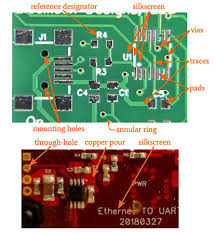
What advancements are shaping the future of Pcba printed circuit board?
Another significant trend in PCBA production is incorporating automation and robotics. This is especially important as the COVID-19 pandemic pushed consumers to move towards virtual buying environments. This has increased the demand for a streamlined PCB assembly process that can meet strict quality standards. Furthermore, these trends are driving the need for more efficient manufacturing processes that can handle large volumes.
Component availability is another important factor for determining the type of PCB to use. Choosing the right component depends on its form factor, performance specifications, and assembly technique. For example, some components are only available in one form factor and require a specific type of PCB. In addition, certain types of electronic devices have different power requirements, which necessitate a different assembly technique.
Lastly, integrating sustainable practices is an essential trend in the industry. Increasing environmental concerns have led to new regulations, and this has forced PCB manufacturers to find ways to reduce waste and use less hazardous chemicals. In addition, the growing demand for more energy-efficient devices is fueling research into greener production technologies and materials.
When choosing a PCBA manufacturer, it is vital to consider the company’s reputation and track record. It is also necessary to ensure the company has experience working with your type of product and can provide you with the best solutions for your specific needs. Additionally, make sure the manufacturer offers a quick response to any questions or concerns you may have.
It’s also crucial to choose a manufacturer with a strong track record of delivering high-quality products on time. Finally, make sure the PCBA manufacturer has a strong commitment to quality and is accredited by an internationally recognized organization. This will help ensure your project is completed on time and at the highest quality possible. Lastly, be sure to look for a PCB manufacturer that provides a comprehensive range of services, including design, fabrication, testing and post-production support.