key considerations for designing fixtures in Pcb rigid flex
Designing fixtures for PCB (Printed Circuit Board) rigid flex assemblies requires careful attention to various factors to ensure efficient manufacturing processes and high-quality end products. Rigid-flex PCBs offer unique advantages, such as improved reliability and design flexibility, but their complex architecture poses challenges for fixture design. Understanding the key considerations for designing fixtures in PCB rigid flex is essential for achieving optimal assembly results and maximizing production efficiency.
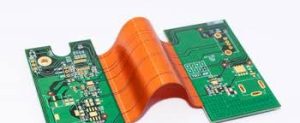
One crucial consideration in fixture design for PCB rigid flex is accommodating the hybrid nature of the board, which consists of both rigid and flexible regions. Unlike traditional rigid PCBs, rigid-flex PCBs require fixtures that can support and accurately position the board during assembly while accommodating the flexibility and bending capabilities of the flex regions. This may involve designing custom fixtures with adjustable support mechanisms or flexible mounting surfaces to ensure proper alignment and stability throughout the assembly process.
Another key consideration is ensuring compatibility with the specific assembly processes and equipment used for pcb rigid flex manufacturing. Fixture design must take into account the requirements of solder paste printing, component placement, reflow soldering, and other assembly steps to optimize throughput and minimize defects. Collaborating closely with PCB manufacturers and assembly partners is essential for tailoring fixture designs to suit the chosen manufacturing processes and equipment.
What are the key considerations for designing fixtures in Pcb rigid flex?
Furthermore, fixture design for PCB rigid flex should prioritize accessibility and ease of use to streamline setup and operation on the assembly line. Modular fixture designs that allow for quick adjustment and reconfiguration can facilitate efficient changeovers between different board configurations and assembly tasks. Additionally, incorporating features such as tool-less clamping mechanisms and intuitive adjustment controls can reduce setup time and labor costs while improving operator productivity.
Ensuring proper thermal management is another critical consideration in fixture design for PCB rigid flex assemblies. The thermal profile during reflow soldering must be carefully controlled to prevent thermal stresses and ensure reliable solder joints across both rigid and flexible regions of the board. Designing fixtures with integrated heating and cooling elements, as well as thermal insulation features, can help maintain consistent temperatures during the soldering process and minimize the risk of board warpage or delamination.
Moreover, fixture design should account for the mechanical stresses and strains experienced by the board during assembly and handling. Rigid-flex PCBs are susceptible to mechanical deformation and damage if not adequately supported and secured during manufacturing. Therefore, fixtures must be designed to provide sufficient support and rigidity while minimizing stress concentrations and potential sources of board flexure or bending.
In addition to mechanical considerations, fixture design should also address electrical requirements, such as ensuring proper grounding and ESD (Electrostatic Discharge) protection during assembly. Incorporating conductive materials or grounding straps into the fixture design can help mitigate the risk of ESD damage to sensitive components and ensure electrical continuity throughout the assembly process.
In conclusion, designing fixtures for PCB rigid flex assemblies requires careful consideration of various factors, including board architecture, assembly processes, thermal management, mechanical stability, and electrical requirements. By addressing these key considerations in fixture design, electronics manufacturers can enhance the efficiency, reliability, and quality of rigid-flex PCB assembly operations, ultimately leading to improved product performance and customer satisfaction.