manufacturing pcb circuit board
Printed circuit boards (PCBs) are the underlying structure that connects electronic components, such as ICs and discretes. Previously, these components were wired together on separate pieces of rigid or flexible materials such as bakelite, which resulted in multiple connections and often caused issues like tangled or broken cables. The modern PCB has a copper layer that acts as the “skeleton” of the board, carrying signals to and from different parts of the circuit board. In the past, these copper traces were connected to a variety of other components with wires, but PCBs are now typically designed and built using fewer and smaller ICs and other small discrete components, which are then mounted to the substrate.
During the design phase of a pcb circuit board, engineers use a CAD software program to create a digital version of the circuit board layout. This outputs Gerber files, which contain the information needed to produce the PCB. The customer then uploads these Gerber files to a PCB manufacturer and finalizes the order details, including size, layers, material types and quantities.
After the pcb circuit board are manufactured, they go through a thorough inspection to ensure that they meet quality standards. This step is crucial, as it helps ensure that the finished product performs as intended and will be reliable in the field. For this reason, it is important to choose a manufacturing partner that has a track record of providing quality and reliable service.
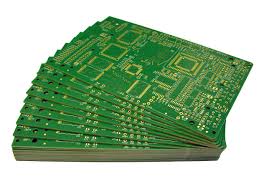
What are the typical lead times for manufacturing pcb circuit board?
To keep cost down, it is a good idea to use the same file formats with your CM and to ensure that all of the necessary information is included in your Gerber files. Providing this data makes it easier for your PCB fab to accurately fulfill the design specifications and avoid any mistakes or errors that can occur when information is translated between formats.
Once the fabricated PCBs are in hand, they need to be assembled with SMT (Surface Mount Technology) components. The component placement process can be complicated and requires specialized knowledge and equipment. The assembler will also have to account for special requirements, such as impedance control (for high-speed signals), and design review and verification.
Depending on the complexity of the circuit board, fabrication and assembly can take up to eight weeks. However, some PCB manufacturers offer quick turnaround options that can reduce this time to as little as 24 hours. They achieve this by streamlining the production process, focusing on simpler designs and keeping inventory of key materials to speed up delivery. These expedited lead times can be a great option for prototyping and low-volume production runs. However, keep in mind that you may be paying a premium for this fast service.